

Our grains
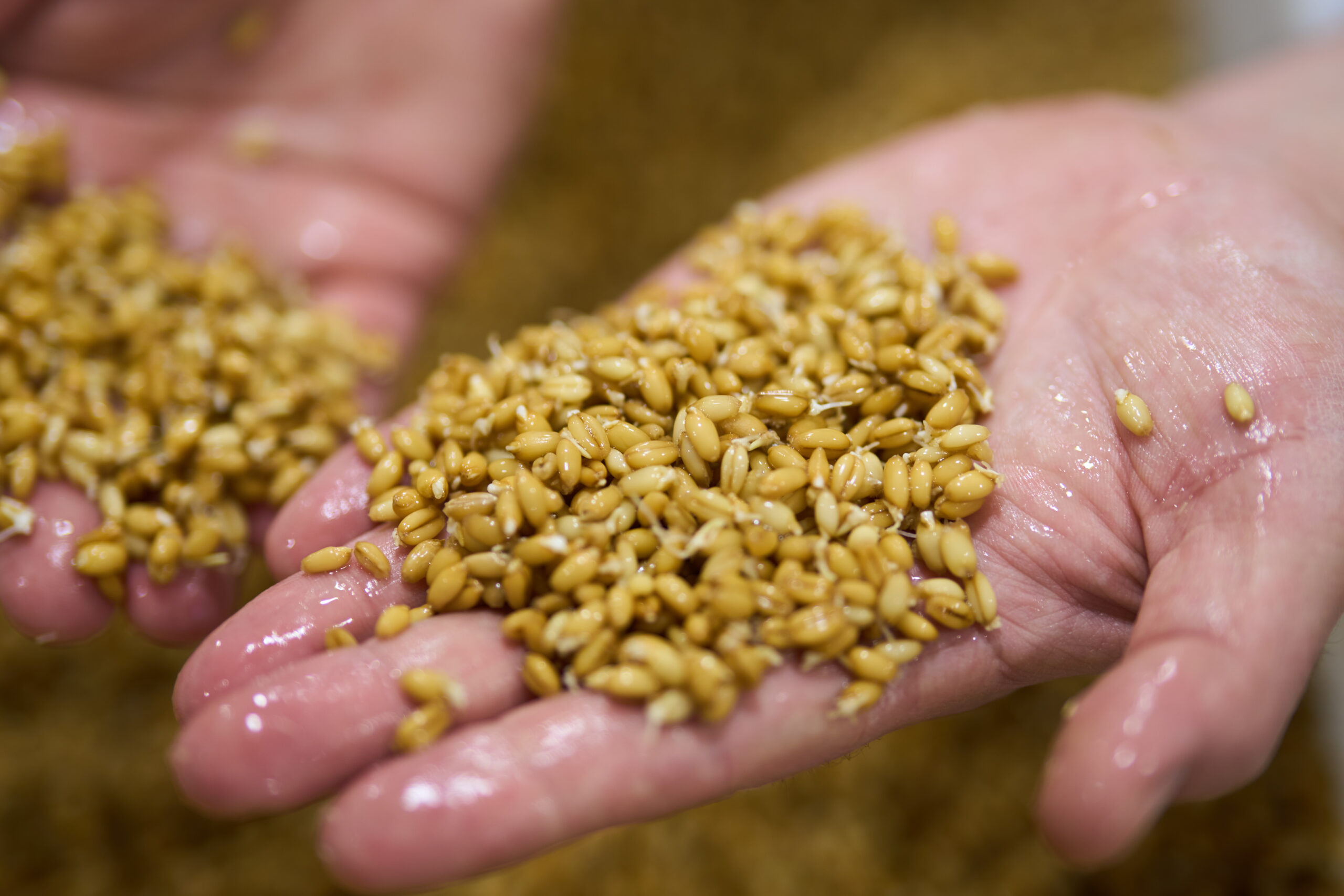
Eight grains. Each stone-milled in-house. Each producing a different bread.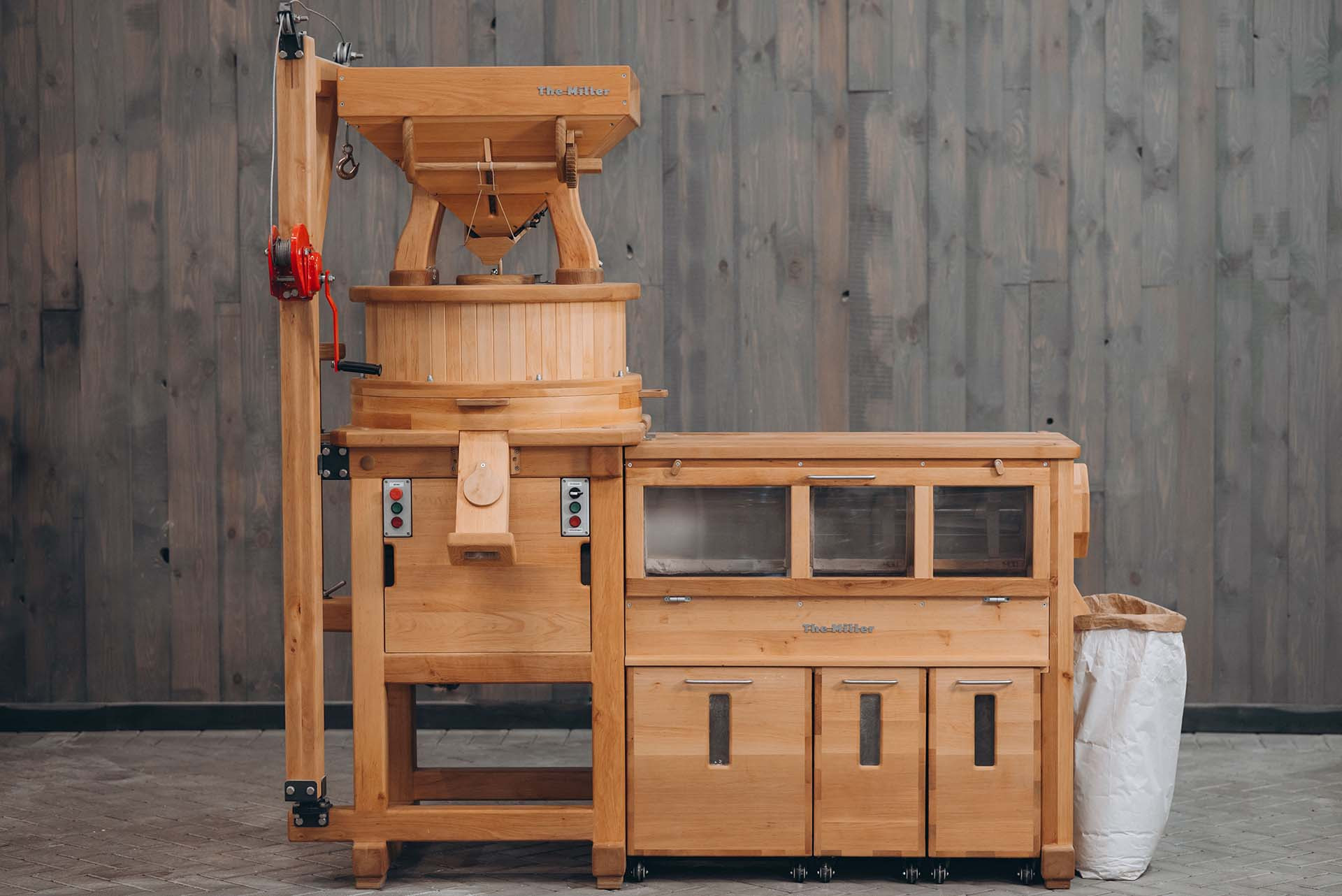
Bread starts long before the oven. It starts with the grain.
The grain is not a neutral raw material. Its variety, growing conditions, protein content, and mineral composition determine how the flour behaves during fermentation — and how the bread tastes.
Artizani works with eight grains — each selected specifically, each milled in-house on our stone mill, each producing bread with a distinct character. These are not interchangeable. The grain is the reason each bread is what it is.
Wheat (Triticum aestivum)
Wheat is the foundation grain of the Artizani range. It is the most widely milled, the most versatile, and the grain against which every other is measured.
Stone-milled whole wheat produces a flour with full bran and germ intact — darker, more aromatic, and more nutritionally complete than commercial white flour. At Artizani, wheat flour forms the base of our primary sourdough loaf and several of our blended breads.
The wheat we mill is selected for protein content and growing origin. Not all wheat mills the same way, and not all wheat produces the same bread.
Rye (Secale cereale)
Rye is the grain of northern Europe — dense, dark, and deeply flavoured. It behaves differently from wheat in almost every way that matters in baking.
Rye flour contains very little gluten-forming protein. Instead of building an elastic network, rye ferments differently — producing a stickier, denser dough that holds its structure through the activity of its starches rather than its gluten. The result is a heavier crumb, a stronger flavour, and a bread that keeps significantly longer than wheat-based loaves.
At Artizani, rye is milled whole and used in our dark rye loaf and as a component in several sourdough blends.
Barley (Hordeum vulgare)
Barley is one of the oldest cultivated grains — and one of the least used in modern bread baking. That is largely because it contains almost no gluten, making it difficult to work with in standard bread production.
At Artizani, barley flour is used in combination with other flours — contributing a mild, slightly sweet, nutty flavour and a distinctive soft crumb. It adds complexity to blended loaves without dominating them.
Barley also contains high levels of beta-glucan, a soluble fibre associated with digestive health. Stone milling retains this fully.
Einkorn (Triticum monococcum)
Einkorn is the oldest wheat — a single-grain species cultivated for thousands of years before modern wheat varieties were developed. It has never been hybridised for yield. It grows slowly, produces less, and is largely absent from commercial flour production.
Its flavour is distinctly nutty and rich. Its gluten structure is weaker than modern wheat but more digestible for many people. Its carotenoid content — the compounds that give einkorn flour its golden colour — is significantly higher than any modern wheat variety.
Einkorn is one of the most demanding grains to mill and bake with correctly. At Artizani, it is milled whole and used in a dedicated einkorn loaf.
Emmer (Triticum dicoccum)
Emmer was one of the two primary crops of early agricultural civilisations — cultivated across the ancient Mediterranean and Near East for millennia. Like einkorn, it is a hulled wheat variety that fell out of favour when higher-yielding modern wheats were developed.
Emmer has a stronger, more assertive flavour than modern wheat — slightly earthy, with a firm crumb structure. Its gluten is present but extensible rather than elastic, requiring longer fermentation times to develop fully.
At Artizani, emmer is milled whole and fermented slowly. It produces a loaf with more character and complexity than standard wheat bread.
Durum
Durum is the hardest wheat — high in protein, deep amber in colour when milled, and the grain behind all traditional pasta and semolina production. It is not commonly used for bread outside of certain regional Italian traditions.
At Artizani, durum is stone-milled to a coarse semolina and used in our durum wheat loaf — a bread with a golden crust, open crumb, and a flavour that is distinctly different from any other in our range. The high protein content of durum supports long fermentation and produces a bread with excellent crust development.
Durum (Triticum durum)
Durum is the hardest wheat — high in protein, deep amber in colour when milled, and the grain behind all traditional pasta and semolina production. It is not commonly used for bread outside of certain regional Italian traditions.
At Artizani, durum is stone-milled to a coarse semolina and used in our durum wheat loaf — a bread with a golden crust, open crumb, and a flavour that is distinctly different from any other in our range. The high protein content of durum supports long fermentation and produces a bread with excellent crust development.
Spelt (Triticum spelta)
Spelt is an ancient cousin of modern wheat — similar enough to be familiar, different enough to produce bread with a noticeably distinct flavour and texture. It has a mild, slightly sweet, nutty character and a gluten structure that is more fragile than standard wheat.
The fragility of spelt gluten means it requires careful handling — shorter mixing times, attentive shaping, and precise fermentation. Overmixed or over-fermented spelt dough loses structure quickly.
At Artizani, spelt is milled whole and used both in a dedicated spelt loaf and as a blend component. It is one of the most popular grains in our range for its approachable flavour and digestibility.
Khorasan (Triticum turanicum)
Khorasan is an ancient relative of durum wheat — large-kernelled, amber-coloured, and significantly higher in protein than modern wheat varieties. It is sometimes marketed under the trademark name Kamut, though the grain itself predates that designation by thousands of years.
Khorasan has a rich, buttery flavour — sweeter and more pronounced than standard wheat, with a smooth, dense crumb when baked. Its gluten is strong but extensible, supporting long fermentation well.
At Artizani, Khorasan is stone-milled whole and used in a dedicated loaf. It is one of the most distinctive grains in the range — recognisable immediately by its flavour and its golden crumb colour.
Corn (Zea mays)
Corn occupies a different category from the other seven grains in the Artizani range. It contains no gluten whatsoever — it cannot form a bread structure on its own. It is milled to a coarse cornmeal and used in combination with other flours, or in naturally gluten-free preparations.
Stone-milled corn retains its germ and the full oil content of the kernel — producing a cornmeal with a fresh, sweet flavour and a golden colour that commercial degerminated cornmeal cannot replicate.
At Artizani, corn is used in our cornbread and as a crust component on several loaves.